
Courier Aggregator Software Pricing Explained
Understand courier aggregator software pricing models — per-shipment fees, subscriptions, wallet systems, and how to calculate total cost of ownership.
Why Pricing Is Hard to Compare at a Glance
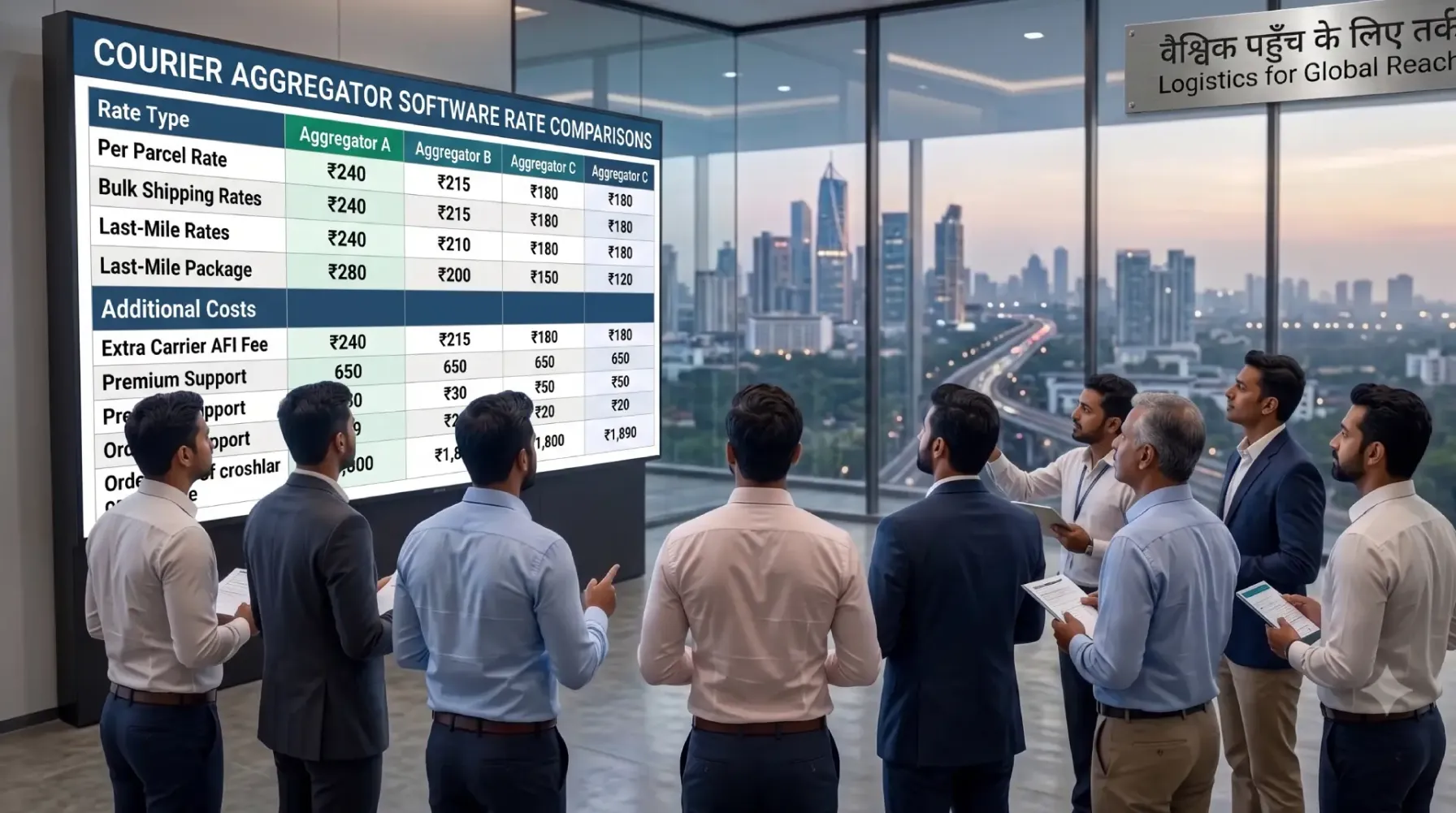
Courier aggregator software pricing rarely fits a single number on a pricing page. Vendors combine platform fees, per-shipment charges, shipping rates, wallet mechanics, and optional add-ons. Understanding the model prevents budget surprises after onboarding.
This guide explains common pricing structures and how to calculate total cost of ownership — without quoting specific rupee figures that vary by vendor, volume, and negotiation.
Pair this with platform selection and eCommerce feature evaluation.
Common Pricing Model Types
Most platforms blend one or more of these models. Ask which apply simultaneously.
| Model | How it works | Watch for |
|---|---|---|
| Per-shipment fee | Fixed charge per AWB generated | Charges on cancelled AWBs |
| Monthly subscription | Flat platform access fee | Shipment limits per tier |
| Wallet top-up | Prepaid balance for shipping + fees | Minimum balance requirements |
| Rate markup | Margin on courier shipping rates | Opaque vs disclosed markup |
| Setup / onboarding | One-time implementation fee | Required training packages |
Shipping Rates: Platform vs Your Contracts
Some aggregators require shipping through their master courier accounts at platform-negotiated rates — often with markup. Others let you connect direct carrier contracts and charge only software fees.
Bring-your-own-rate models suit sellers with existing negotiated deals. Master-account models suit startups without carrier relationships who value simplicity over maximum rate control.
Compare effective per-order cost using your actual weight and zone distribution, not a single sample shipment.
COD remittance and cash flow
COD-heavy businesses must factor remittance cycle length into working capital planning. Faster remittance may pair with slightly higher platform fees — model both sides.
What COD remittance is explains settlement timelines to clarify with vendors.
Hidden and Add-On Costs to Ask About
NDR SMS or WhatsApp messages, premium support, additional user seats, API overage, branded tracking pages, and white-label customization may carry separate charges.
- Communication charges for NDR and delivery notifications
- Extra fees for marketplace channel connectors
- White-label domain and branding setup
- Dedicated account manager or SLA tiers
- Chargeback or dispute handling on wallet transactions
Calculating Total Cost of Ownership
Build a monthly model: platform subscription + (daily orders × days × per-shipment fee) + average shipping cost per order + communication add-ons. Run scenarios at current volume and projected growth.
Include operational savings: staff hours recovered from manual portal work, RTO reduction value, and faster support resolution. Aggregation cost should be net-positive against alternatives, including direct integration engineering cost.
Pricing for Merchant vs White-Label Buyers
Merchants paying for their own shipping evaluate cost per order against current manual workflow. White-label operators — logistics companies using platforms like ShipRabbit — evaluate software cost against revenue per downstream seller and per-shipment margin.
White-label software pricing often includes seller portal licensing, wallet infrastructure, and branding — compare feature bundles, not headline fees alone.
Starting an aggregation business covers revenue models that offset platform costs.
Negotiation and Contract Tips
Request volume-based tiers if you expect growth within the contract term. Clarify exit terms, data export, and AWB cancellation policies. Pilot month-to-month or short initial term before annual commitment when possible.
Document agreed rates, included shipments, and support SLA in writing. Align finance and operations on wallet top-up procedures before go-live.
Making a Value-Based Decision
Cheapest platform fees with poor delivery success or weak NDR tools cost more through RTO and support load. Weight reliability, integration quality, and coverage alongside price.
Explore the courier aggregator software hub and benefits guide to frame value beyond line-item fees.
Sample Total Cost Calculation Method
Pick ten representative orders: mix of zones, weights, prepaid and COD. Get all-in quotes from each vendor including platform fees and shipping rates. Extrapolate using your actual zone and payment mix percentages from last month's order export.
Add operational savings estimate separately — hours saved × loaded labor cost — to compare net impact, not gross platform spend alone.
Re-run the model quarterly as volume tiers may unlock better platform pricing or carrier rates.
Pricing Questions for Vendor Sales Calls
What is included in base subscription vs charged per AWB? Are API calls metered separately? Do NDR SMS cost extra per message? Is white-label branding included or an add-on? What wallet minimum applies at signup?
What happens to rates if you exceed tier shipment limits mid-contract? Can you pass through your own carrier contracts without markup? How are weight disputes billed when courier re-weighs higher?
Get answers in writing before contract signature — verbal demo promises do not govern invoices.
Margin Implications for Logistics Operators
If you resell shipping, platform cost is COGS. Your seller-facing rates must cover platform fees, courier cost, support overhead, and target margin. Model worst-case RTO impact on net margin per AWB.
White-label platforms like ShipRabbit should expose flexible rate card tools so you implement tiered seller pricing without manual spreadsheet billing.
Business launch guide covers revenue model design alongside cost structure.
When to Renegotiate or Switch
Volume crossing tier thresholds, consistent API reliability issues, or material rate disadvantage vs market are valid triggers to renegotiate or evaluate alternatives. Switching mid-contract has migration cost — factor AWB transition and staff retraining.
Avoid switching solely on small per-order savings if new platform lacks NDR or coverage for your critical pincodes — net economics may worsen despite lower nominal fees.
Finance Team Reconciliation Workflow
Finance should receive weekly exports: shipments booked, wallet debits, COD collected, remittance received, and variance vs expected. Aggregator dashboards replace courier-specific invoice formats but only if someone owns reconciliation cadence.
Dispute weight chargebacks with documented package dimensions at dispatch — photography or scale integration at pack stations supports claims when couriers re-weigh higher.
Align COD remittance expectations with cash flow models before peak season inventory purchases.
Budgeting for Seasonal Volume Spikes
Festive and sale events increase shipment count and wallet debits temporarily. Model platform fees and shipping costs at 2–3x baseline volume when negotiating credit lines or wallet top-up schedules with finance.
Some vendors offer seasonal tier bumps — ask before peak season rather than during invoice shock. Cost reduction tactics complement pricing negotiation but do not replace understanding platform fee structure.
Closing Perspective on Value
Price matters, but delivery success, support quality, and integration fit determine whether aggregation saves money net of RTO and labor. A platform costing slightly more per AWB with stronger NDR and coverage often outperforms the cheapest option on unit economics.
Use this pricing guide alongside benefits analysis and selection checklist for balanced purchase decisions.
Key Takeaways
Courier aggregator pricing combines platform fees, shipping rates, wallet mechanics, and optional add-ons — compare total monthly cost at your actual volume and zone mix.
Bring-your-own carrier contracts versus platform master accounts materially affects rate control and margin structure.
Value-based decisions weigh delivery success, NDR tools, and support quality alongside headline fees — the cheapest platform is rarely the lowest total cost.
Document agreed fees in writing and reconcile wallet deductions weekly during the first month live to catch billing surprises early.
Pair pricing analysis with trial booking on representative orders so estimated costs reflect your actual weight distribution and zone mix rather than vendor sample shipments alone.
Key Takeaways
- Common models include per-shipment fees, monthly SaaS subscriptions, and wallet top-ups
- Compare base rates plus platform fees, COD surcharges, and NDR add-on costs
- Volume discounts often kick in at 1,000+ monthly shipments — negotiate early
- Free tiers may limit courier access or charge premium rates on shipping itself
- Total cost of ownership includes integration time and ops training, not just license fees
Frequently Asked Questions
How much does courier aggregator software cost?
Pricing varies widely — from pay-per-shipment models at a few rupees per AWB to monthly subscriptions of several thousand rupees plus shipping rates.
Are shipping rates cheaper through aggregators?
Aggregators often negotiate bulk rates with carriers. Whether you save depends on your current direct contracts and shipping volume.
What hidden fees should I watch for?
Wallet loading fees, COD remittance charges, NDR SMS costs, API overage fees, and minimum monthly commitments.
Is a subscription or per-shipment model better?
High-volume shippers often prefer subscriptions with lower per-AWB fees. Low-volume sellers may prefer pure pay-per-use with no monthly minimum.
ShipRabbit
Automate your shipping with ShipRabbit
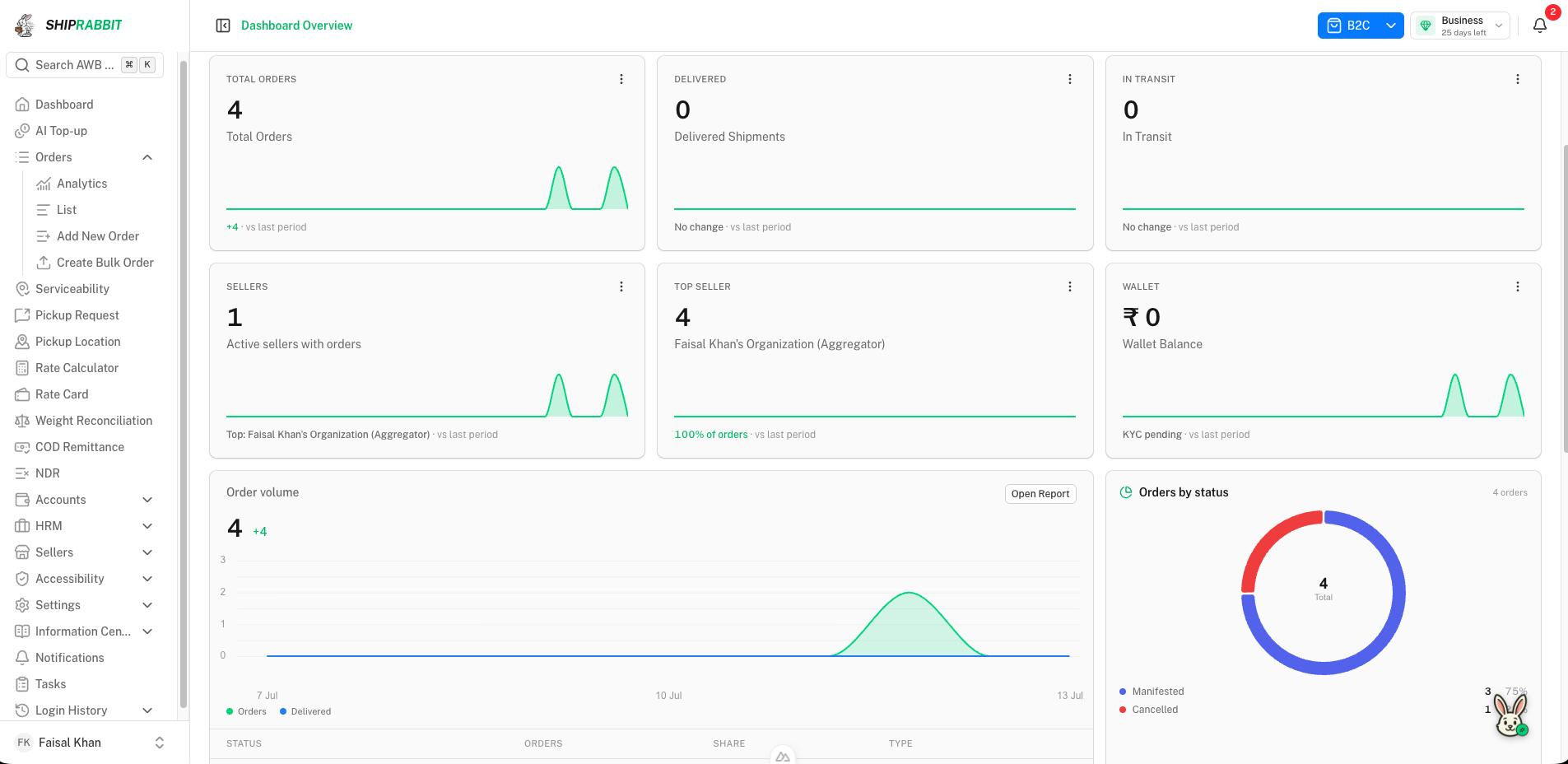
Multi-courier booking, AI-powered selection, NDR management, and COD remittance — all from one dashboard.
Part of our Courier Aggregator Software guide series — explore the complete resource for multi-courier shipping and aggregation.
Related Articles
How to Choose Courier Aggregator Software
A structured checklist for choosing courier aggregator software — coverage, integrations, NDR tools, pricing, support, and white-label options.
Read article →
Best Courier Aggregator Software for eCommerce
A buyers guide to the best courier aggregator software for eCommerce — key features, courier coverage, pricing, and what to look for when evaluating platforms.
Read article →How to Reduce eCommerce Shipping Costs
Practical tactics to reduce eCommerce shipping costs — courier selection, zone optimization, packaging, COD conversion, and multi-carrier rate comparison.
Read article →Build vs Buy Courier Aggregator Software
Compare building your own courier aggregator software versus buying a white-label platform — development cost, time to market, and total ownership.
Read article →Stay ahead in eCommerce logistics
Get practical shipping guides, courier insights, and automation tips delivered to your inbox.