
Benefits of Courier Aggregator Software
Explore the top benefits of courier aggregator software for eCommerce — lower shipping costs, faster fulfillment, unified tracking, and better delivery outcomes.
Why Sellers Move Beyond Single-Courier Shipping
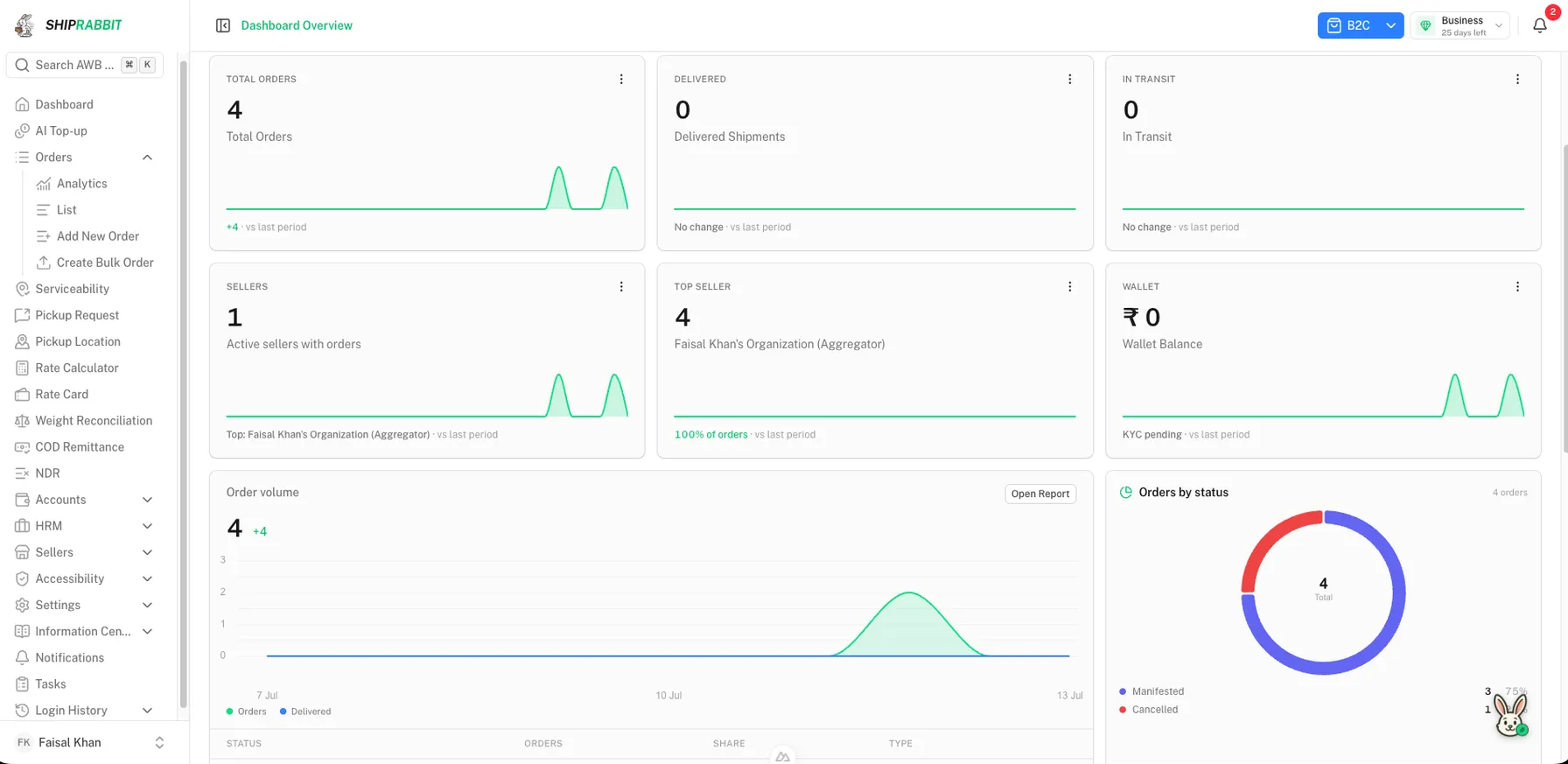
Most online businesses start with one courier contract until pincode gaps, rate hikes, or carrier outages stall fulfillment. Courier aggregator software addresses scaling pain by providing multi-carrier access, unified workflows, and operational visibility from one platform.
Aggregation transforms booking, exception handling, COD reconciliation, and routing decisions — not just carrier count. This article covers practical advantages for operations, finance, and customer experience teams without inflated claims.
For platform mechanics, read how courier aggregator software works first.
Lower Shipping Costs Through Rate Comparison
No courier offers the best rate for every lane and weight slab. Zone pricing means a metro specialist may be expensive for tier-2 destinations. Aggregators expose comparison at booking so each order routes to a cost-effective eligible carrier.
Over hundreds of daily shipments, small per-order savings compound. Automated rules — cheapest eligible, COD-specific routing, zone preferences — replace manual portal comparison.
Pair aggregation with broader cost reduction tactics like packaging efficiency and prepaid nudges at checkout.
Upfront rate visibility
Pre-booking rate calculation using weight slabs and volumetric rules helps catch dimension errors in the warehouse rather than on the courier invoice.
Operational Efficiency and Time Savings
Without aggregation, staff log into separate portals, re-enter orders, download labels individually, and check tracking on different sites. Context switching adds minutes per shipment that become full-time roles at scale.
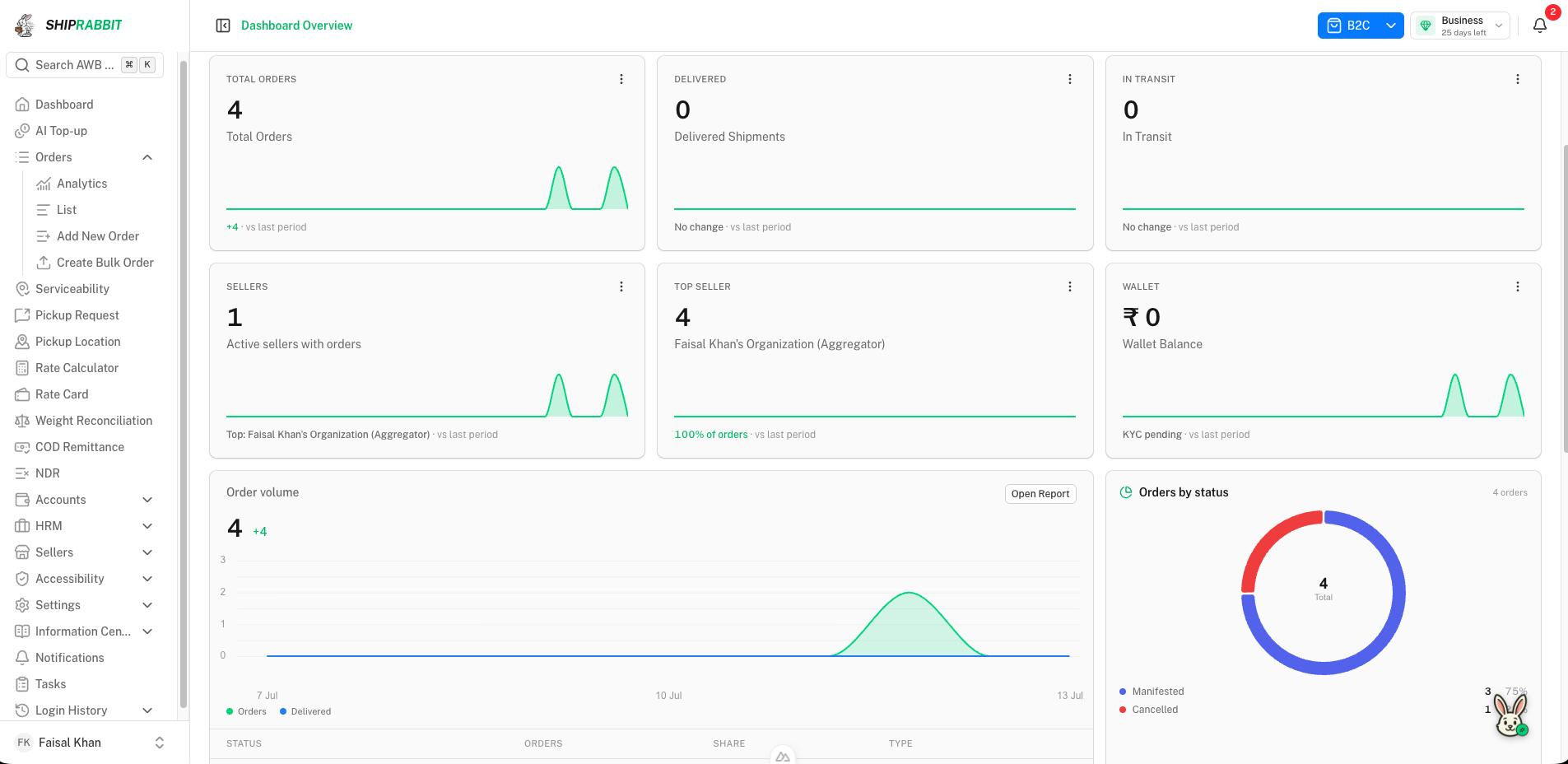
Unified dashboards support bulk import, batch labels, and single-search tracking. API integration removes manual entry for standard orders entirely.
Shipping automation through an aggregator frees teams for exceptions and growth work.
- One login instead of multiple courier accounts
- Bulk label printing for dispatch sessions
- Centralized search by order ID or AWB
- Automated tracking sync to marketplaces
- Standardized cancellation and RTO workflows
Better Pincode Coverage and Reliability
Last-mile networks vary by region. Aggregation routes each pincode to carriers with stronger service records there. Serviceability checks before booking prevent accepting unfulfillable orders.
When one courier suspends a pincode, you switch alternatives without changing checkout. Better matching supports higher delivery success and lower RTO.
Unified Tracking and Customer Experience
Buyers expect accurate tracking regardless of carrier. Aggregators normalize status events into consistent milestones for notifications. Support answers queries from one interface.
D2C brands use branded tracking pages with their logo instead of generic courier sites. See courier aggregator software for D2C brands for brand-specific workflows.
NDR Recovery and Exception Management
Failed attempts drive RTO without follow-up. Aggregators with NDR automation contact buyers, capture corrected addresses, and schedule reattempts before return initiation.
Centralized NDR dashboards show pending exceptions across carriers. How NDR management works explains the full workflow.
COD Visibility and Financial Control
COD tracking across couriers is error-prone manually. Aggregators consolidate remittance status so finance reconciles faster and spots delayed settlements early.
Seller wallet systems on white-label platforms provide balance visibility and per-shipment deduction history — critical when operating a logistics network.
| Benefit area | Without aggregator | With aggregator |
|---|---|---|
| Rate optimization | Manual portal comparison | Automated booking comparison |
| Tracking | Multiple courier sites | Unified dashboard and API |
| NDR handling | Per-carrier process | Centralized automation |
| COD reconciliation | Separate reports | Consolidated wallet and reports |
| Courier onboarding | New integration each time | Enable partner in platform |
Scalability and Business Model Flexibility
Growing from 50 to 500 daily shipments with manual processes typically requires more dispatch staff. Aggregation scales through automation — the same team handles higher volume.
Logistics entrepreneurs use white-label platforms like ShipRabbit to onboard seller networks without building integrations. Starting a courier aggregation business becomes commercial rather than engineering-heavy.
Evaluate options via best courier aggregator software for eCommerce and our selection checklist.
Quantifiable Outcomes Without Inflated Statistics
Benefits manifest differently by business profile — this section describes measurable outcomes you can track yourself rather than vendor marketing claims. Time per shipment for manual booking drops when staff use one interface instead of three. Measure minutes saved per AWB multiplied by daily volume.
Shipping cost per order becomes comparable across couriers when rate comparison is systematic. Track average shipping expense as a percentage of AOV before and after enabling routing rules. RTO rate by pincode and carrier becomes visible when reporting is unified — target reduction through better matching and NDR follow-up.
Support ticket volume for "where is my order" queries often decreases when tracking is centralized and proactive notifications work. Count tickets tagged shipping-related over a 30-day window pre and post adoption.
Benefits for Finance and Leadership Teams
Finance teams gain consolidated shipping spend reports instead of reconciling multiple courier invoices with different formats and billing cycles. COD remittance visibility improves cash flow forecasting — know what each carrier owes and when based on platform data rather than spreadsheet tracking.
Leadership sees shipping as a controllable cost center with trends over time. Carrier performance comparisons support contract renegotiation with data: "Carrier A delivers 8 points higher success in Zone C at similar cost — shift volume or renegotiate."
For logistics operators reselling shipping, white-label aggregation turns technology into revenue. White-label platforms like ShipRabbit let you monetize seller networks without building carrier integrations internally.
Benefits Across Business Growth Stages
At 20–50 daily orders, aggregation primarily saves time and prevents undeliverable bookings through serviceability checks. At 100–300 orders, automated routing and bulk labels become essential — manual selection cannot keep pace. Above 500 orders, NDR automation, API integration, and performance-based courier scoring materially affect margin and buyer experience.
Seasonal sellers benefit from quickly enabling additional couriers during peak without new integrations. Brands expanding from metro-only to national shipping gain pincode coverage without negotiating five contracts simultaneously on day one.
Online sellers and D2C brands each hit these stages at different volumes — map benefits to your current stage rather than assuming enterprise features day one.
Limitations to Plan For
Aggregation does not fix product quality issues, inaccurate product descriptions, or buyer fraud — those still drive returns and RTO. It does not replace warehouse accuracy on weight and dimensions — courier re-weighing charges still apply when declared data is wrong.
You depend on aggregator uptime and carrier relationships. Maintain contingency procedures for platform outages during peak events. Keep at least basic direct courier access for catastrophic fallback if contractually allowed.
Benefits compound when operations adopt the platform fully — partial use (booking on aggregator but tracking manually on courier sites) captures only a fraction of value. Commit to unified workflow training across warehouse, support, and finance.
Building the Business Case Internally
Present aggregation to leadership as operational infrastructure, not a line-item expense. Frame warehouse hours recovered, RTO reduction potential, and faster support resolution alongside platform fees. A simple before-and-after spreadsheet with your actual order volume is more persuasive than vendor ROI slides.
Include engineering time saved if developers currently maintain courier integrations or manual export scripts. Direct integration comparison quantifies build-and-maintain cost for technical stakeholders.
Pilot proposals with defined success criteria — 30 days, 500 orders, measure cost per delivered order and booking time — reduce approval friction versus open-ended platform subscriptions.
Quick Reference: Benefit Checklist
Before signing, confirm the platform delivers the benefits you actually need: multi-carrier booking, rate visibility, unified tracking, NDR tools, COD remittance reporting, and integration with your channels. Benefits only materialize when features match your daily workflow — verify in trial, not on feature lists alone.
Key Takeaways
- Rate comparison across carriers reduces per-shipment cost on most lanes
- One dashboard eliminates switching between multiple courier portals
- Unified tracking and reporting improve customer support response times
- Automated NDR workflows recover deliveries that would otherwise RTO
- API integration scales fulfillment without proportional headcount growth
Frequently Asked Questions
What is the biggest benefit of courier aggregator software?
Multi-carrier flexibility — you choose the best courier per order instead of being locked into one partner coverage and pricing.
Does aggregator software reduce RTO rates?
Indirectly yes. NDR automation, serviceability checks, and pincode-level courier selection all contribute to fewer failed deliveries.
Is aggregator software worth it for low volume sellers?
Sellers shipping 50+ orders monthly typically see ROI from rate savings and time recovered from manual portal work.
How does aggregation help finance teams?
Consolidated billing, COD remittance tracking, and shipping spend reports replace reconciling invoices from multiple couriers.
ShipRabbit
See how ShipRabbit manages multiple courier partners from one dashboard
Reduce shipping costs, improve delivery success, and scale operations without switching between courier portals.
Related Articles
How Courier Aggregator Software Works
Understand how courier aggregator software routes orders to carriers, compares rates, generates labels, and syncs tracking through a single unified platform.
Read article →
Best Courier Aggregator Software for eCommerce
A buyers guide to the best courier aggregator software for eCommerce — key features, courier coverage, pricing, and what to look for when evaluating platforms.
Read article →How to Reduce eCommerce Shipping Costs
Practical tactics to reduce eCommerce shipping costs — courier selection, zone optimization, packaging, COD conversion, and multi-carrier rate comparison.
Read article →
Courier Aggregator Software for Online Sellers
How online sellers use courier aggregator software to compare rates, print bulk labels, automate tracking, and ship through multiple couriers efficiently.
Read article →Stay ahead in eCommerce logistics
Get practical shipping guides, courier insights, and automation tips delivered to your inbox.