
Courier Aggregator Software for D2C Brands
How D2C brands use courier aggregator software for branded tracking, multi-zone delivery, COD management, and a consistent post-purchase experience.
Why D2C Brands Have Distinct Shipping Needs
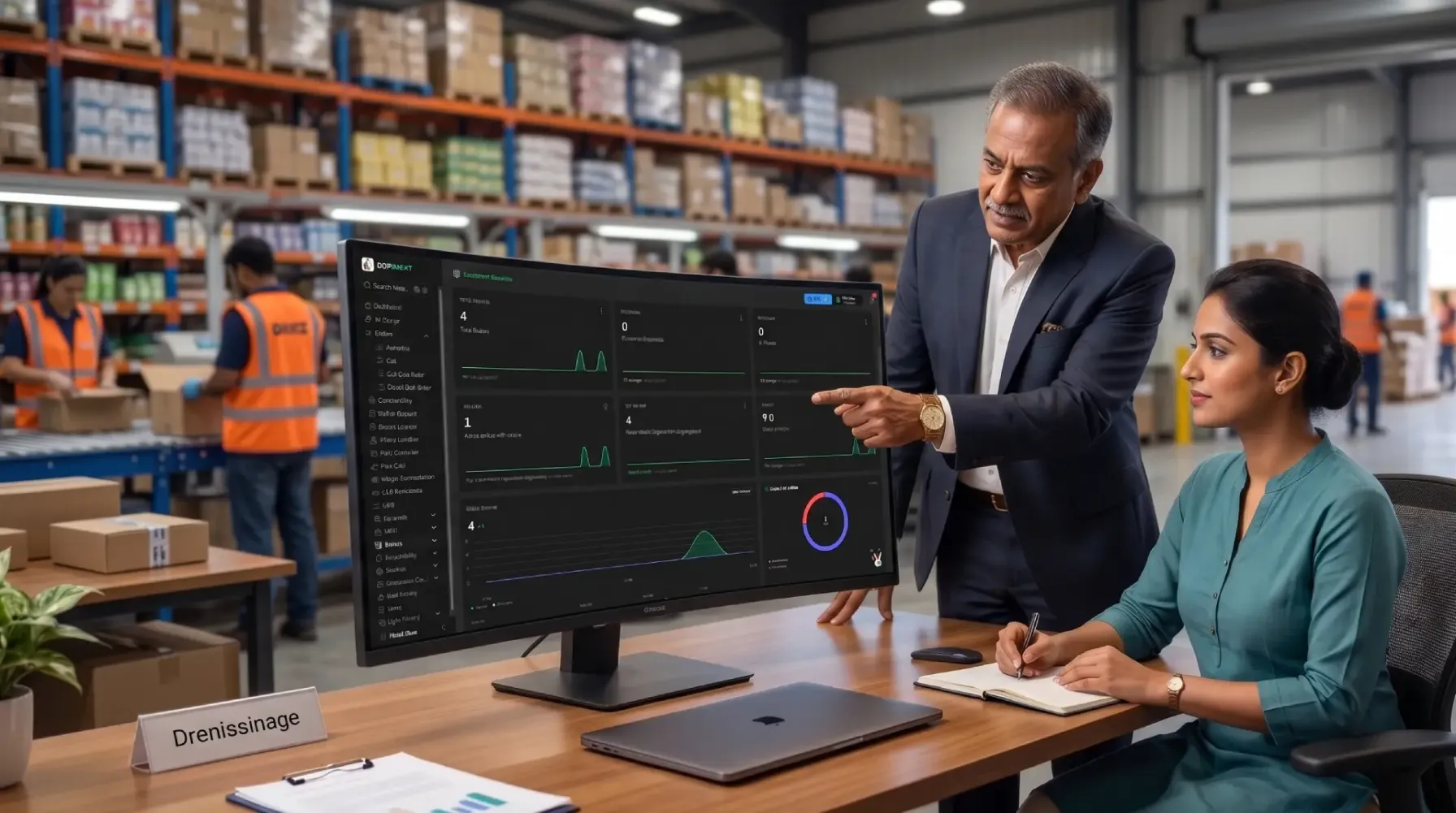
Direct-to-consumer brands own the entire customer relationship — from ad click to unboxing. Shipping is not a back-office function; it shapes repeat purchase rate, reviews, and brand perception. Courier aggregator software helps D2C operators balance cost, coverage, and post-purchase experience across India's varied last-mile landscape.
Unlike marketplace sellers who inherit some logistics expectations, D2C brands answer directly when deliveries fail or tracking stalls. Aggregation provides the operational backbone for reliable multi-carrier fulfillment without building an internal logistics engineering team.
Start with what courier aggregator software is if you are new to the category.
Brand-Aligned Post-Purchase Experience
Generic courier tracking pages break brand immersion. D2C-focused aggregators offer branded tracking with your logo, colors, and optional cross-sell content. Customers stay in your brand environment while viewing delivery status.
Proactive notifications — shipped, out for delivery, delivered — should use your sender identity where carriers permit. Consistent communication reduces "where is my order" support tickets.
Pair branded tracking with clear return and RTO policies on your site to set delivery expectations by pincode and payment mode.
National Reach With Regional Optimization
D2C brands rarely serve only one city. National campaigns drive orders to pincodes where no single courier excels. Multi-carrier routing assigns each order to a strong partner for that lane — improving delivery success without maintaining five separate contracts manually.
Per-order courier selection and AI-assisted routing help optimize regional performance as volume grows.
| D2C challenge | Aggregator capability | Outcome |
|---|---|---|
| Variable demand by region | Multi-carrier routing | Better lane performance |
| COD conversion | COD serviceability checks | Fewer cancelled orders |
| High RTO in categories | NDR automation | More successful reattempts |
| Support load | Unified tracking search | Faster ticket resolution |
COD and Prepaid Mix Management
Many D2C brands offer both payment modes. Aggregators verify COD eligibility by pincode before confirmation, reducing checkout-to-cancellation friction. Remittance tracking consolidates COD collections across carriers for finance teams.
COD remittance and RTO reduction are especially relevant for fashion, accessories, and general merchandise D2C categories.
Integration With D2C Tech Stack
Shopify, WooCommerce, and custom headless storefronts connect via API or native apps. Orders should flow to fulfillment automatically; tracking should sync back for Klaviyo, WhatsApp, or email journeys.
Shipping APIs enable custom integrations when pre-built connectors are insufficient. Evaluate webhook events for tracking milestones your retention flows depend on.
Scaling Without Losing Control
Founders often fulfill early orders manually. Crossing 50–100 daily shipments requires batch labels, automated routing rules, and exception dashboards. Aggregator software scales operations without proportional headcount growth.
Shipping automation and aggregation benefits outline operational gains at scale.
D2C vs Operating a Logistics Business
If you are a D2C brand shipping your own products, choose a merchant-focused aggregator dashboard. If you are launching a logistics service for other D2C brands, evaluate white-label platforms like ShipRabbit with seller portals and wallet billing.
White-label software and starting an aggregation business apply to the operator path, not typical D2C merchants.
Evaluation Checklist for D2C Founders
Confirm branded tracking, your required sales channel connectors, COD support for target states, NDR automation, and reporting by carrier and campaign period if you attribute shipping cost to acquisition channels.
Use our selection checklist and eCommerce platform comparison framework during vendor demos.
Subscription and Repeat Order Shipping
D2C subscription models need predictable recurring shipment creation — via API or scheduled jobs — and consistent carrier performance on repeat destination pincodes. Track delivery success separately for subscription cohorts versus one-time buyers.
Failed subscription deliveries hurt LTV disproportionately; prioritize reliable couriers on repeat lanes even when slightly more expensive than cheapest eligible option.
Customer Journey Touchpoints Shipping Affects
Shipping influences every post-purchase touchpoint: order confirmation email showing carrier name, SMS on dispatch, tracking page branding, delivery day experience, and return initiation if delivery fails. D2C brands treating shipping as purely cost miss retention impact.
Aggregator branded tracking keeps customers on your domain during anxious waiting periods — opportunity for FAQ links, cross-sell, or review requests after delivery confirmation.
Align notification copy with brand voice — aggregators provide events; your marketing automation provides tone.
Working With Influencer and Campaign Spikes
Viral campaigns spike order volume unpredictably. Confirm aggregator and courier pickup capacity before major launches. Pre-configure routing rules so temporary staff during spikes cannot accidentally book undeliverable COD orders.
Post-campaign analysis by pincode and carrier reveals which partnerships performed under load — refine rules before the next launch.
Returns and RTO Policy Integration
High RTO hurts D2C unit economics and ad efficiency. Combine aggregator NDR tools with checkout address validation and clear size guides on product pages. Shipping software is one layer in a broader RTO strategy.
RTO reduction tactics span marketing, product, and logistics — not only courier choice.
Team Structure as D2C Scales
Early stage: founder or ops generalist manages shipping dashboard. At scale: dedicated logistics coordinator owns routing rules, carrier relationships, and remittance reconciliation. Aggregation software grows with role specialization — API and automation become essential.
Evaluate automation capabilities as headcount plans firm up.
Retention and Repeat Purchase Connection
Delivery experience affects repeat rate as much as product quality for many D2C categories. Late deliveries without proactive communication increase churn; reliable tracking and NDR recovery preserve customers who would otherwise abandon after one failed attempt.
Measure repeat purchase rate cohorts by delivery outcome — delivered first attempt vs RTO vs delayed — to quantify shipping ROI beyond cost line items.
Integrate aggregator tracking events with retention email flows so customers receive brand-toned updates at each milestone.
Packaging and Unboxing Coordination
Shipping software does not replace packaging investment but coordinates with it — accurate weight and dimensions in booking prevent re-weigh charges that erode margin on carefully designed box sizes. Train packers to measure consistently before label generation.
Branded external packaging paired with branded tracking pages reinforces premium D2C positioning end to end.
International Expansion Considerations
Domestic D2C brands expanding internationally need carriers and aggregator features beyond Indian pincode logic — customs documentation, commercial invoices, and international rate tables. Confirm roadmap and current capability before assuming domestic platform covers cross-border.
Many brands maintain domestic aggregation on Indian platforms while using separate tools for international lanes until unified platforms support both credibly.
Founder Checklist Before Go-Live
Confirm branded tracking, channel connectors, COD coverage for launch markets, NDR automation, and reporting export for finance. Run 50 test orders including edge cases — remote pincodes, heavy parcels, and prepaid plus COD — before marketing campaigns drive traffic.
Coordinate with customer support on tracking lookup procedures and escalation paths for delivery exceptions. D2C reputation damage from shipping failures often surfaces in support tickets and public reviews before it appears in analytics dashboards.
Key Takeaways
D2C brands need aggregation for national coverage, branded post-purchase experience, and COD or prepaid mix management — shipping directly affects retention and reviews.
Branded tracking, proactive notifications, and NDR automation protect brand reputation when last-mile outcomes vary by pincode and carrier.
Evaluate merchant-focused platforms for own-product shipping; evaluate ShipRabbit white-label only if building logistics services for other brands.
Measure repeat purchase rate by delivery outcome to quantify shipping ROI beyond cost-per-order metrics alone.
Align marketing promises on delivery timelines with carrier performance data from aggregator reports — overpromising erodes brand trust faster than modest shipping fees.
Key Takeaways
- D2C brands need multi-zone coverage because buyer demographics span all India
- Branded tracking pages extend your brand into the post-purchase journey
- COD remains critical for D2C — aggregator COD remittance tracking simplifies finance
- Pincode-level courier selection improves delivery speed in tier-2 and tier-3 markets
- NDR automation protects conversion by recovering failed delivery attempts
Frequently Asked Questions
Why do D2C brands need multi-courier shipping?
No single courier dominates every zone. D2C brands shipping nationally need carrier flexibility to maintain delivery speed and cost efficiency.
Can I use branded tracking with an aggregator?
Yes. Most platforms offer custom tracking pages with your logo, colors, and domain for a consistent buyer experience.
How does aggregation help D2C COD operations?
You create COD shipments across carriers from one dashboard and track remittance status without reconciling multiple courier statements.
What shipping volume justifies an aggregator for D2C?
Most D2C brands shipping 100+ orders monthly benefit from rate comparison and automated tracking alone.
ShipRabbit
See how ShipRabbit manages multiple courier partners from one dashboard
Reduce shipping costs, improve delivery success, and scale operations without switching between courier portals.
Part of our Courier Aggregator Software guide series — explore the complete resource for multi-courier shipping and aggregation.
Related Articles
Courier Aggregator Software for Online Sellers
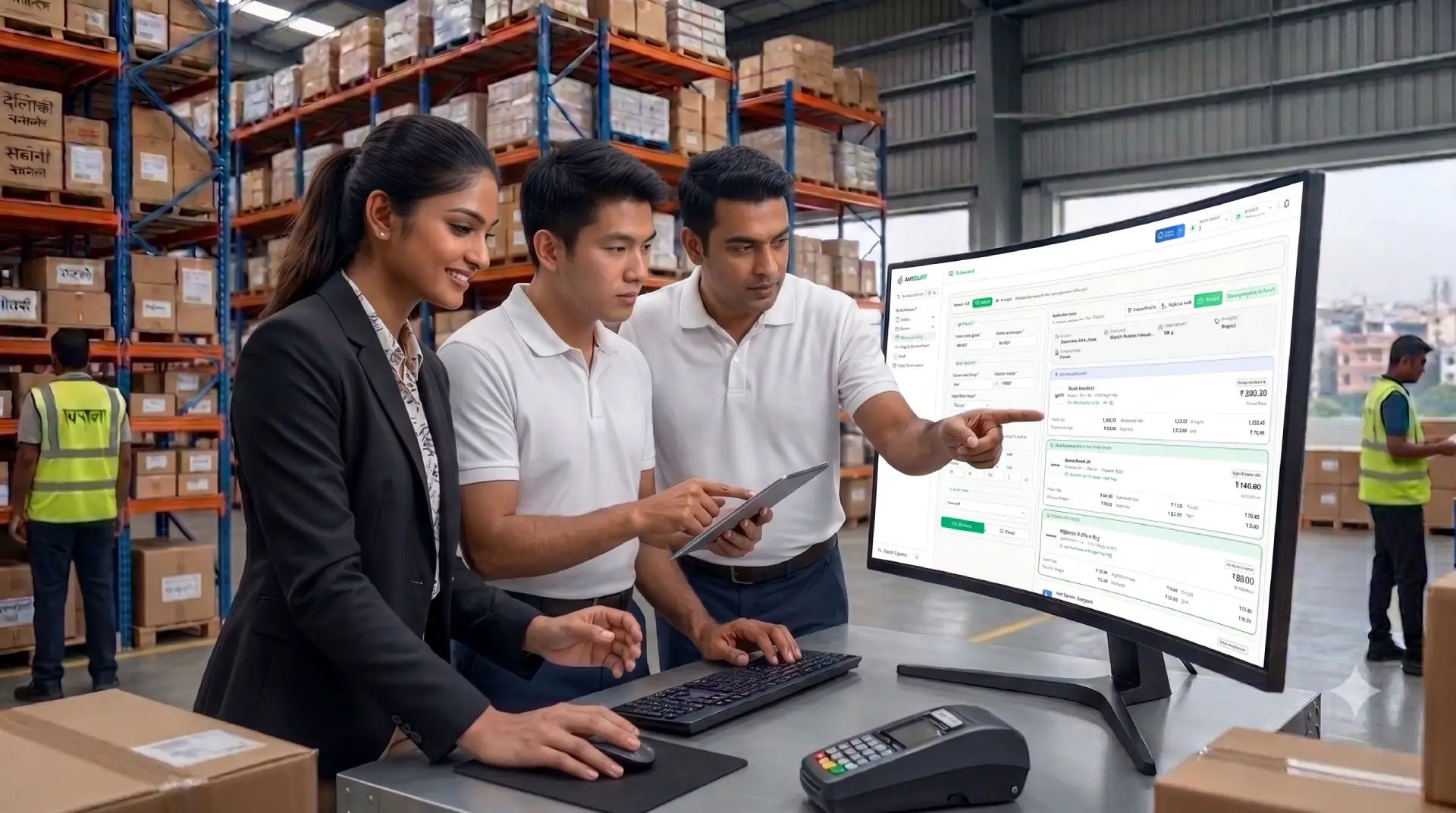
How online sellers use courier aggregator software to compare rates, print bulk labels, automate tracking, and ship through multiple couriers efficiently.
Read article →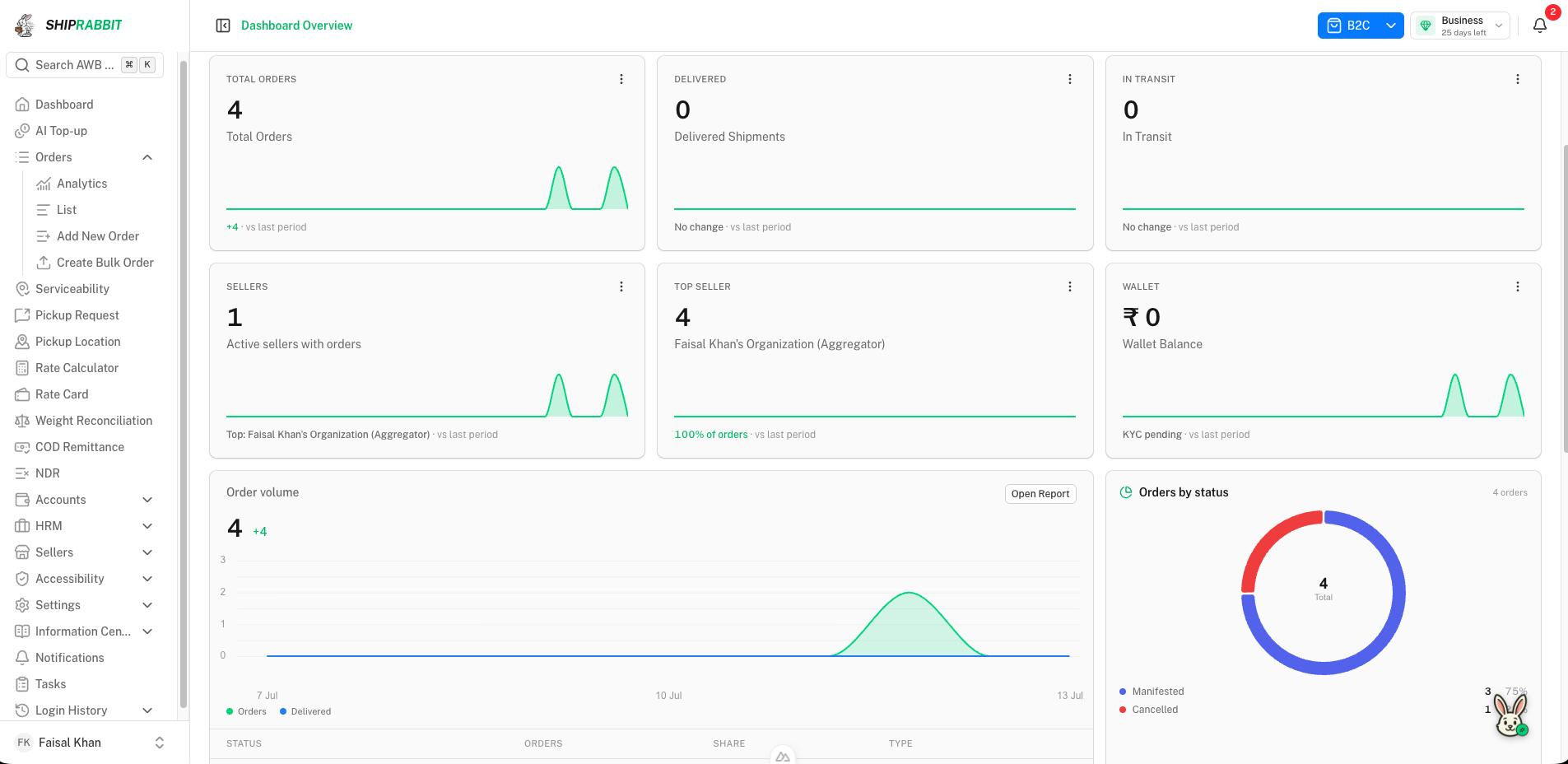
How to Improve eCommerce Delivery Success Rate
Actionable strategies to improve your eCommerce delivery success rate — courier selection, NDR automation, address validation, and performance analytics.
Read article →Benefits of Courier Aggregator Software
Explore the top benefits of courier aggregator software for eCommerce — lower shipping costs, faster fulfillment, unified tracking, and better delivery outcomes.
Read article →How to Reduce RTO in eCommerce
Proven strategies to reduce RTO in eCommerce — address verification, COD confirmation, NDR follow-ups, and pincode-level courier optimization.
Read article →Stay ahead in eCommerce logistics
Get practical shipping guides, courier insights, and automation tips delivered to your inbox.