
What Is Courier Aggregator Software?
Learn what courier aggregator software is, how it differs from single-carrier tools, and why eCommerce businesses use it to manage multi-courier shipping.
The Short Answer
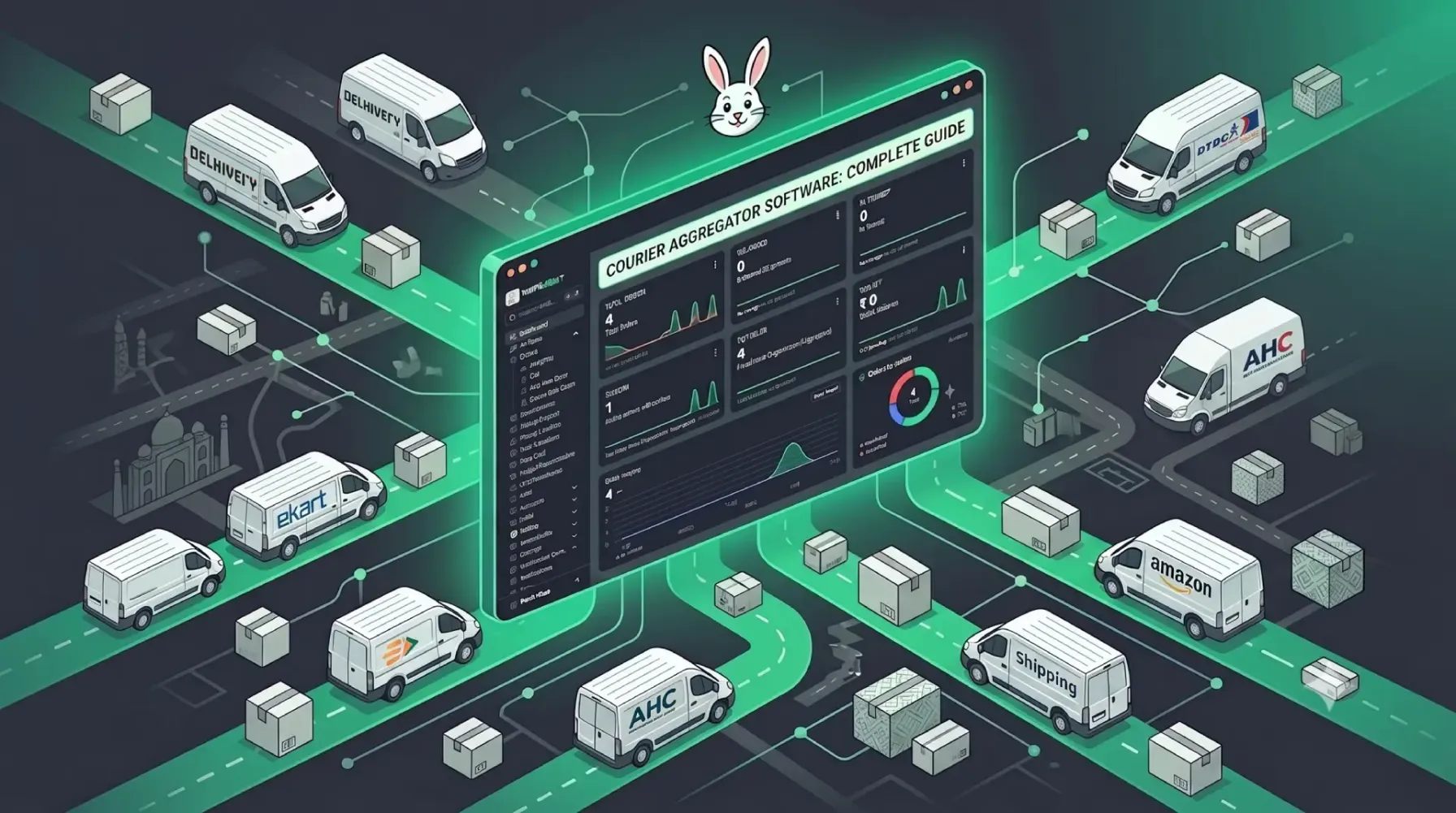
Courier aggregator software is a technology platform that connects shippers to multiple courier and logistics partners through a single interface. Rather than maintaining separate accounts, integrations, and workflows for each carrier, you book shipments, print labels, track packages, and manage delivery exceptions in one place.
Think of it as a switchboard for shipping: you tell the platform what needs to move from point A to point B, and it routes the request to the appropriate courier based on serviceability, cost, speed, and your business rules.
Why Businesses Use Courier Aggregators
Indian eCommerce shipping rarely works with just one courier. Pincode coverage varies by carrier. Rate cards differ by zone and weight slab. COD handling, RTO policies, and NDR processes are not standardized. Managing this complexity manually — or through five separate portals — does not scale.
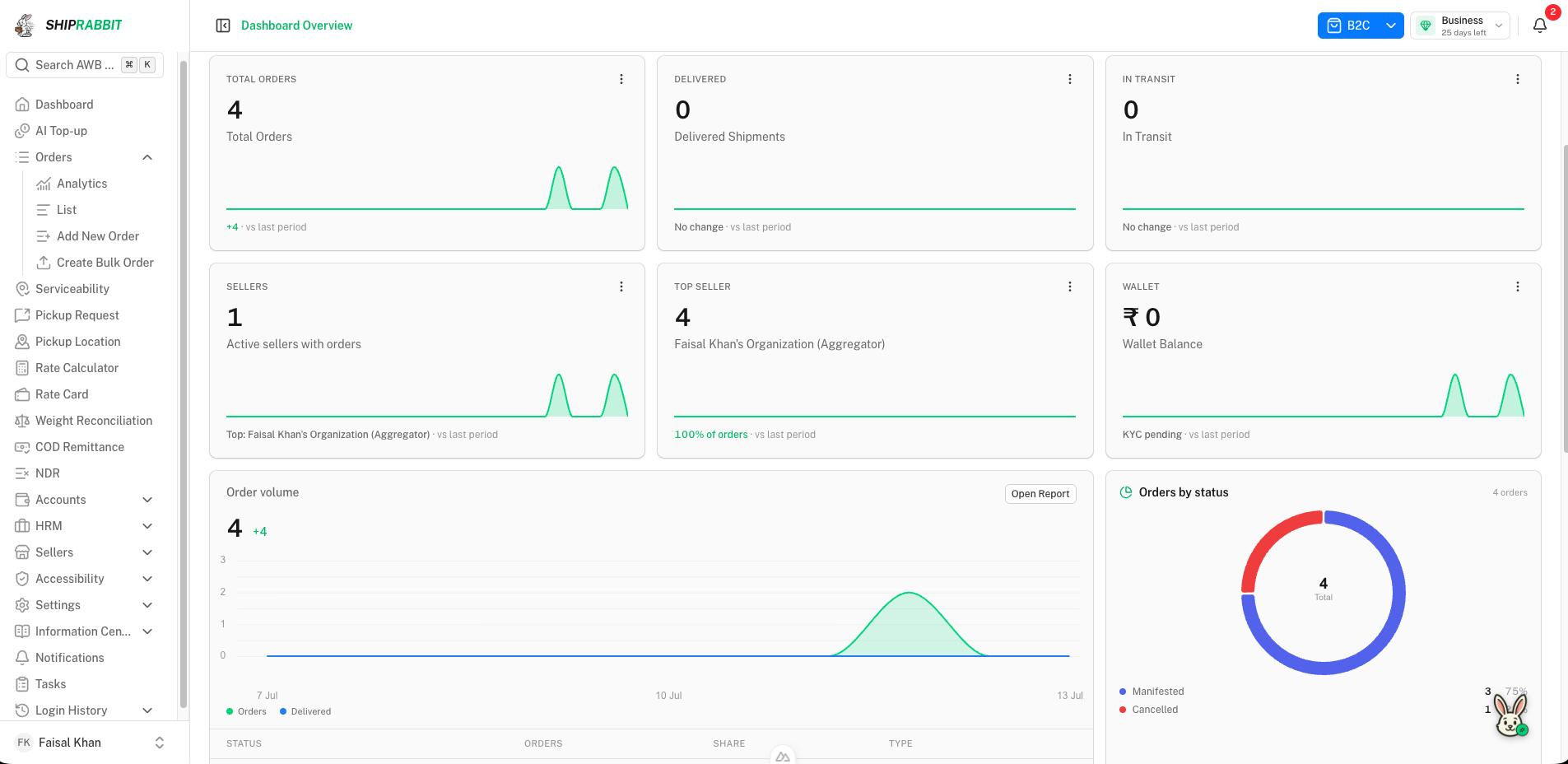
Aggregator software centralizes these operations. You gain a single source of truth for shipment status, shipping spend, and delivery performance across all partners. Operations teams stop context-switching; finance teams get consolidated billing; customer support resolves tracking queries faster.
For a deeper look at operational mechanics, read how courier aggregator software works.
- One dashboard instead of multiple courier logins
- Rate comparison before every booking
- Unified tracking regardless of carrier
- Automated NDR and COD workflows
- API access for eCommerce and OMS integration
Courier Aggregator vs Shipping Aggregator vs Multi-Courier Software
These terms overlap in practice. "Courier aggregator" emphasizes the carrier network aspect — connecting you to Delhivery, Blue Dart, DTDC, and similar partners. "Shipping aggregator" often refers to the same concept with broader logistics scope. "Multi-courier shipping software" describes the technical capability of routing orders across carriers.
In vendor marketing, the labels blur. What matters is whether the platform actually supports your required couriers, payment modes (prepaid and COD), and integration points — not the exact phrase on the homepage.
Our shipping aggregator software guide clarifies how vendors use these terms and what to verify during demos.
Typical Users
Online sellers on marketplaces and D2C stores use aggregators to fulfill orders efficiently. Online sellers benefit from bulk label printing, automated tracking updates, and courier selection without hiring a logistics team.
D2C brands with national reach use aggregation to optimize cost and delivery speed per region. D2C-specific considerations include brand-aligned tracking pages and consistent delivery experience.
Logistics companies and 3PLs use white-label aggregator platforms — like ShipRabbit — to offer multi-courier shipping under their own brand to downstream sellers.
| User type | Primary need | Key feature |
|---|---|---|
| Marketplace seller | Fast fulfillment at low cost | Rate comparison, bulk labels |
| D2C brand | Brand experience + reliability | Branded tracking, NDR automation |
| 3PL / aggregator | Platform for seller network | White-label portals, wallet billing |
| Enterprise | Control + compliance | APIs, custom rules, reporting |
How Courier Aggregators Fit in Your Tech Stack
Courier aggregator software typically sits between your order management system and courier partner APIs. Orders flow from your storefront, marketplace, or OMS into the aggregator; the platform returns AWB numbers, label PDFs, and tracking URLs that sync back to your sales channels and customer notification tools.
This layer handles the messy work of carrier-specific authentication, payload formatting, webhook parsing, and status normalization. Your engineering team integrates once with the aggregator API rather than maintaining separate integrations for each courier.
Shipping APIs and how courier APIs work explain the technical connection points if you are evaluating API-first platforms.
- Order source: Shopify, WooCommerce, marketplace, or custom OMS
- Aggregator layer: booking, labels, tracking, NDR, COD
- Courier partners: last-mile delivery networks
- Downstream: buyer tracking pages, support tools, finance reconciliation
When You Should Consider an Aggregator
You likely need aggregator software when shipment volume exceeds what one courier can serve reliably, when your pincode mix spans zones where different carriers excel, or when COD and prepaid orders require different routing logic.
Signs you have outgrown a single courier portal include frequent manual rate comparisons across carrier websites, support tickets about missing tracking updates, rising RTO rates without visibility into which couriers underperform, and engineering time spent maintaining brittle courier integrations.
Early-stage sellers shipping fewer than twenty orders weekly may operate fine on one courier. The tipping point usually arrives when operational overhead of multi-carrier management exceeds the cost of aggregation — often around fifty to one hundred daily shipments depending on category and geography.
COD-heavy businesses
Fashion, electronics, and general merchandise sellers with high COD ratios benefit disproportionately from aggregation. NDR automation, remittance tracking, and courier selection tuned for COD success rates directly affect revenue recovery. COD remittance and NDR management explain the post-booking workflows aggregators handle.
National D2C brands
Brands shipping to every state need carriers with complementary coverage maps. Metro-focused couriers may fail on remote pincodes; regional specialists may lack speed in urban centers. Aggregation lets you assign the right partner per lane without fragmenting operations.
Common Misconceptions About Courier Aggregators
Misconception one: aggregators always offer the cheapest rates. They provide rate comparison and negotiated contracts, but the cheapest option varies by lane, weight, and payment mode. You still need routing logic to capture savings.
Misconception two: switching aggregators is trivial. Migration involves reconfiguring integrations, retraining staff, and potentially losing historical performance data. Choose carefully using a structured evaluation process.
Misconception three: all aggregators are identical merchant dashboards. Operator-focused white-label platforms like ShipRabbit serve a different buyer — logistics companies building seller networks — with seller portals, wallet billing, and branded tracking that merchant tools omit.
Misconception four: aggregation eliminates the need for logistics expertise. Software automates workflows; humans still set routing rules, manage courier relationships, and resolve escalations.
What It Is Not
Courier aggregator software is not a courier company itself. It does not own trucks or employ delivery personnel. It is software that sits between you and licensed courier partners, handling the digital layer of booking and tracking.
It is also not a warehouse management system or inventory tool — though it integrates with those systems via API. Its core job is shipment lifecycle management from label creation through delivery confirmation or RTO closure.
Finally, it is not a guarantee of delivery success. The platform provides tools — serviceability checks, NDR workflows, courier selection — but last-mile outcomes still depend on carrier performance, product quality, and buyer availability.
Getting Started
If you are researching before a purchase decision, continue with benefits of courier aggregator software and how to choose the right platform.
For the full picture including features, audiences, and evaluation criteria, visit the courier aggregator software hub.
Aggregation is a long-term infrastructure decision. The right platform grows with your shipment volume, courier network, and integration needs — whether you are a seller fulfilling orders or an operator building a logistics business on white-label software like ShipRabbit.
Quick Reference: Key Terms
AWB (airway bill number) is the tracking identifier assigned when a shipment is booked. Serviceability confirms whether a courier delivers to a specific pincode with a given payment mode. NDR (non-delivery report) is raised when a delivery attempt fails. RTO (return to origin) sends the package back to the seller when delivery cannot be completed.
Understanding these terms helps you evaluate aggregator features meaningfully — platforms that unify NDR workflows and RTO visibility across couriers deliver more value than label-printing tools alone.
The complete courier aggregator guide ties these concepts together for readers ready to go deeper.
Key Takeaways
- Courier aggregator software connects shippers to multiple carriers via one platform
- It replaces managing separate courier portals and integrations
- Used by sellers, D2C brands, and logistics companies alike
- Not a courier company — it is software between you and carriers
- Core value is unified booking, tracking, and exception management
Frequently Asked Questions
Is courier aggregator software the same as a shipping aggregator?
The terms are largely interchangeable. Both refer to platforms that connect you to multiple courier partners through one system.
Do I need aggregator software if I use one courier?
If a single courier covers all your pincodes reliably at acceptable cost, you may not need one yet. Most scaling sellers eventually need multi-carrier flexibility.
Does aggregator software include COD support?
Most platforms support COD shipment creation and remittance tracking, though specific COD policies vary by courier partner.
ShipRabbit
Learn how ShipRabbit helps businesses automate shipping
Discover how a unified courier aggregation platform simplifies multi-carrier shipping for eCommerce teams.
Related Articles
How Courier Aggregator Software Works
Understand how courier aggregator software routes orders to carriers, compares rates, generates labels, and syncs tracking through a single unified platform.
Read article →Benefits of Courier Aggregator Software
Explore the top benefits of courier aggregator software for eCommerce — lower shipping costs, faster fulfillment, unified tracking, and better delivery outcomes.
Read article →Shipping Aggregator Software: The Complete Guide
The complete guide to shipping aggregator software — definitions, features, use cases, and how it helps eCommerce and logistics businesses ship smarter.
Read article →Stay ahead in eCommerce logistics
Get practical shipping guides, courier insights, and automation tips delivered to your inbox.